
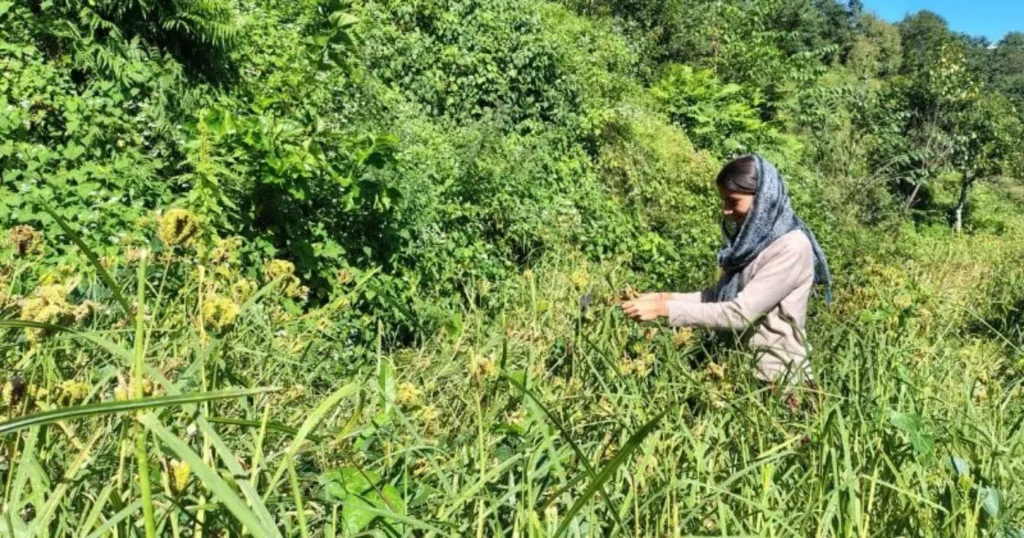
Mandua in Garhwal. Ragi in Karnataka. And Nachni in Maharashtra. Three names for one small reddish-brown grain. Finger millet gives 336 kcal, 7.3 g of protein, 11.2 g of fibre, and 344 mg of calcium per 100 g. It has more calcium than any other common Indian cereal. It grows on thin soil with very little water, which is why hill farmers in the Uttarakhand region have never let it go. Know all the health numbers of this classic grain.
Ragi Nutrition per 100g
| Nutrient | Per 100g (raw) |
|---|---|
| Calories | 336 kcal |
| Protein | 7.3 g |
| Carbohydrates | 72 g |
| Dietary fibre | 11.2 g |
| Fat | 1.5 g |
| Calcium | 344 mg |
| Iron | 3.9 mg |
| Magnesium | 137 mg |
Calories and Fibre
At 336 kcal, ragi sits level with rice and wheat. The difference is fibre. Its 11.2 g comes from the bran, which is why ragi digests slowly and keeps you full.
Protein
Ragi offers 7.3 g of protein per 100 g, modest for a grain and low in the amino acid lysine. Eating it with dal, curd, or sambar fills that gap, which is how many South Indian homes already serve it.
Calcium and Iron
Calcium is 344 mg per 100 g, roughly a third of an adult’s daily need. Iron adds 3.9 mg, is plant-based, and is best absorbed when the meal includes something sour or rich in vitamin C, such as lemon.
Raw vs Cooked Ragi
The numbers above describe dry grain. However, once flour meets water, the same weight carries less. A 200 ml glass of ragi porridge holds only about 100 mg of calcium. Bold claims such as “more calcium than milk” actually compare dry flour with liquid milk, so read them with that in mind.
Ragi vs Other Grains
| Per 100g raw | Ragi | White Rice | Whole Wheat Aata | bajra |
|---|---|---|---|---|
| Protein | 7.3 g | 6.8 g | 11.8 g | 11.6 g |
| Fibre | 11.2 g | 0.2 g | 12.2 g | 8.5 g |
| Calcium | 344 mg | 10 mg | 48 mg | 42 mg |
| Iron | 3.9 mg | 0.7 mg | 4.9 mg | 8.0 mg |
| Glycaemic index | about 54 | about 73 | about 70 | about 54 |
Ragi vs Rice
The popular claim of 30 times more calcium holds against polished white rice, meaning 344 mg against 10 mg is about 34 times. Against brown rice, at 33 mg, the gap narrows to roughly 10 times.
Ragi vs Wheat
Neither wins everything. Whole wheat has more protein, iron, and fibre. Whole ragi has seven times the calcium, a lower glycaemic index, and no gluten. Choose by what your plate is missing.
Who Benefits Most
Women
Calcium needs rise during pregnancy and breastfeeding, and bone density falls with age. Ragi offers both calcium and plant iron, and sprouted green ragi is a traditional food for new mothers in parts of India. Ragi benefits for women support a balanced diet but do not treat anaemia or osteoporosis.
Children
Ragi porridge is a common first food when babies begin solids. Older children can eat it as rotis, dosas, or ladoos. Ask a paediatrician before introducing it to an infant.
How Much Ragi Per Day Should You Eat
Start with 30 to 50 g of flour, about one bowl of porridge or two rotis. Healthy adults can go up to 100 g, but 100 g brings 336 kcal and 11 g of fibre, so build up slowly and drink plenty of water. Ragi contains oxalates, so people with kidney stones should check with a doctor first. Millets can yh7b m also affect iodine uptake, so anyone with a thyroid condition needs medical guidance.
Best Ways to Cook Ragi
Here’s how you can include ragi in your daily meals:
Fermented Batters
Idli and dosa batters lead the list. Fermentation reduces phytic acid, which blocks calcium and iron absorption, so more of what is on the label reaches your body. Adding urad dal supplies the lysine ragi lacks.
Porridge
Whisk flour into cold water first, then cook on low heat until it thickens and loses its raw smell. Calcium and iron survive heat well. Sweeten with jaggery or keep it savoury with buttermilk.
Rotis
Pure ragi dough crumbles because it has no gluten. Many Uttarakhand homes mix two parts ragi flour to one part wheat flour, knead with warm water, and finish with ghee.
Conclusion
Ragi works best as a steady habit, not a trend. Swap one meal a day, ferment the batter when you can, and pair it with dal, curd, or vegetables! At Yakulaas, you can buy stone-ground ragi flour. Our mandua comes from women farmers in Garhwal, grown by the Barahnaja method without fertilisers.
Want to start with the real diet plan?
Explore Yakulaas’s Himalayan grains and ragi flour today. Good luck for a healthy tomorrow.